
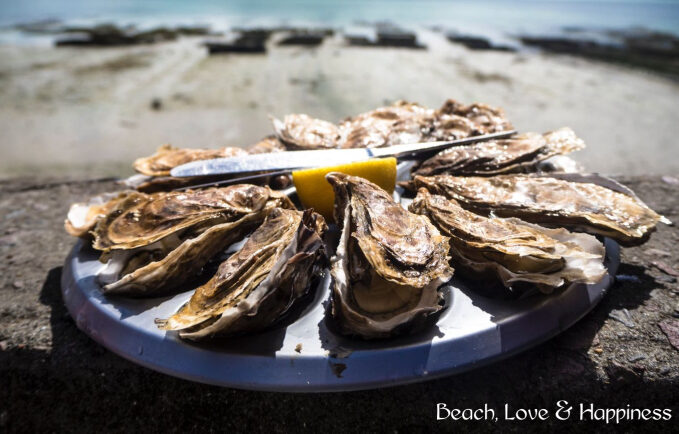
For generations, the emerald waters between St. George Island and mainland Florida have yielded some of America’s finest oysters. St. George Island, a 28-mile barrier island protecting Apalachicola Bay, has long been a silent guardian of this precious ecosystem where fresh river water meets the Gulf of Mexico (recently renamed Gulf of America), creating the perfect conditions for oyster growth.
A Natural Treasure Under Threat
Apalachicola Bay once produced 90% of Florida’s oysters and 10% of the nation’s wild oyster harvest. The bay’s unique ecosystem made it a natural powerhouse of oyster production, with St. George Island helping to create the sheltered conditions that oysters need to thrive. Local oystermen, many from families who had worked these waters for generations, used traditional tonging methods to harvest these prized shellfish.
But this natural bounty faced mounting challenges. A complex “water war” between Florida, Georgia, and Alabama led to reduced freshwater flow from the Apalachicola River as Georgia’s growing Atlanta metropolitan area demanded more water. The delicate balance of fresh and salt water began to shift, making the bay increasingly hostile to oyster populations.
The Perfect Storm
A series of environmental blows struck the bay’s oyster population in quick succession. The 2010 BP oil spill, while not directly impacting the bay, created market fears that hurt the industry. A severe drought in 2012 further increased the bay’s salinity, and Hurricane Michael in 2018 delivered another devastating blow to the ecosystem.
The Road to Recovery
In response to these challenges, the Florida Fish and Wildlife Conservation Commission took dramatic action in July 2020, suspending all wild oyster harvesting in Apalachicola Bay through December 31, 2025. This decision, while difficult for the local community, came with a $20 million restoration project funded by the National Fish and Wildlife Foundation.
The restoration effort includes reshelling oyster beds, extensive water quality monitoring, and developing new management practices for long-term sustainability. From the shores of St. George Island, visitors can sometimes glimpse boats working on these restoration projects, planting hope for future generations.
Looking Forward
For the communities around Apalachicola Bay and St. George Island, the current closure represents both a challenge and an opportunity. While traditional oystermen have had to adapt – finding new work or switching to different types of fishing – the hope is that this pause will allow nature to heal and restore this vital resource.
As we approach the planned reopening at the end of 2025, the eyes of local residents, environmentalists, and seafood lovers across the nation remain fixed on these waters. The story of Apalachicola’s oysters is not just about shellfish – it’s about the delicate balance between human needs and natural resources, and the hope that with careful stewardship, this legendary oyster bay can once again become a thriving ecosystem.
The waters between St. George Island and the mainland hold both memories of a rich past and seeds of future promise. As restoration efforts continue, the question remains: can modern science and environmental management help restore what nature and tradition once perfected?